
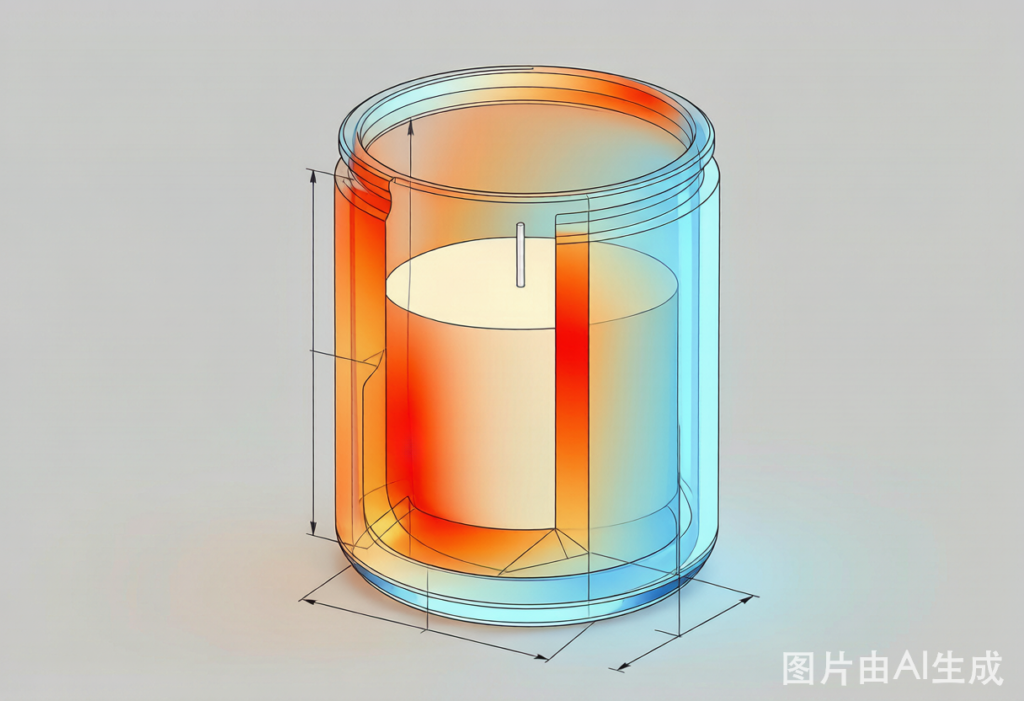
When sourcing glass candle jars, what truly separates a reliable container from a risky one? Why do some jars crack during use while others remain flawless for years?
The answer often lies in ASTM F2179 — the international standard specifically designed for glass candle containers. This guide breaks down what this standard means, why it matters for your brand, and how to use it when evaluating suppliers.
What Is ASTM F2179?
ASTM F2179 — officially titled “Standard Specification for Annealed Glass Containers That Are Produced for Use as Candle Containers” — is published by ASTM International. It falls under the jurisdiction of Subcommittee F15.45 on Candle Products, part of the Committee F15 on Consumer Products.
This standard establishes minimum performance requirements and test methods specifically for glass containers intended to hold candles.
Important note: ASTM F2179 applies only to candle jars themselves. It does not cover other candle glassware such as hurricanes, votive holders, or glass accessories for freestanding candles. Make sure to confirm the correct standard for your specific product type.
Which Glass Materials Are Covered?
ASTM F2179 explicitly applies to soda-lime silicate glass containers, including both clear and opaque variations.
Soda-lime silicate glass is the most common material in everyday glassware. It offers excellent chemical stability and cost-effectiveness for large-scale candle jar production.
If a supplier claims compliance with ASTM F2179, it means their glass material has passed specified performance tests within the soda-lime silicate glass framework.
What Does ASTM F2179 Test For?
The standard specifies three core technical requirements, each addressing a critical aspect of glass container safety and durability.
1. Annealing Quality
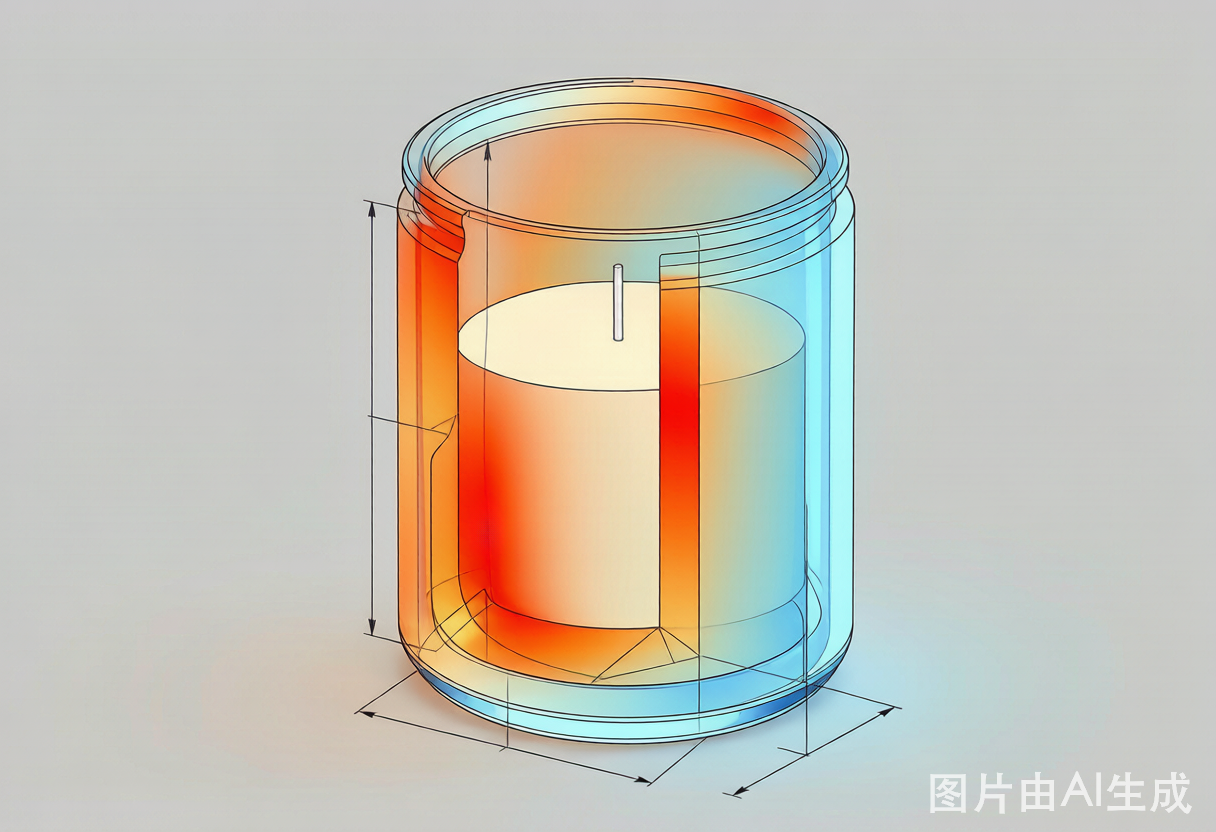
During glass forming, residual internal stresses develop within the material. If these stresses aren’t properly released, they can cause spontaneous breakage — even weeks or months after production.
Annealing is a precisely controlled cooling process that reduces internal stress to a commercially acceptable level.
How suppliers verify it: Manufacturers must perform polariscopic examination — a specialized test using polarized light to detect stress patterns in glass. This is referenced as the key test method in ASTM F2179.
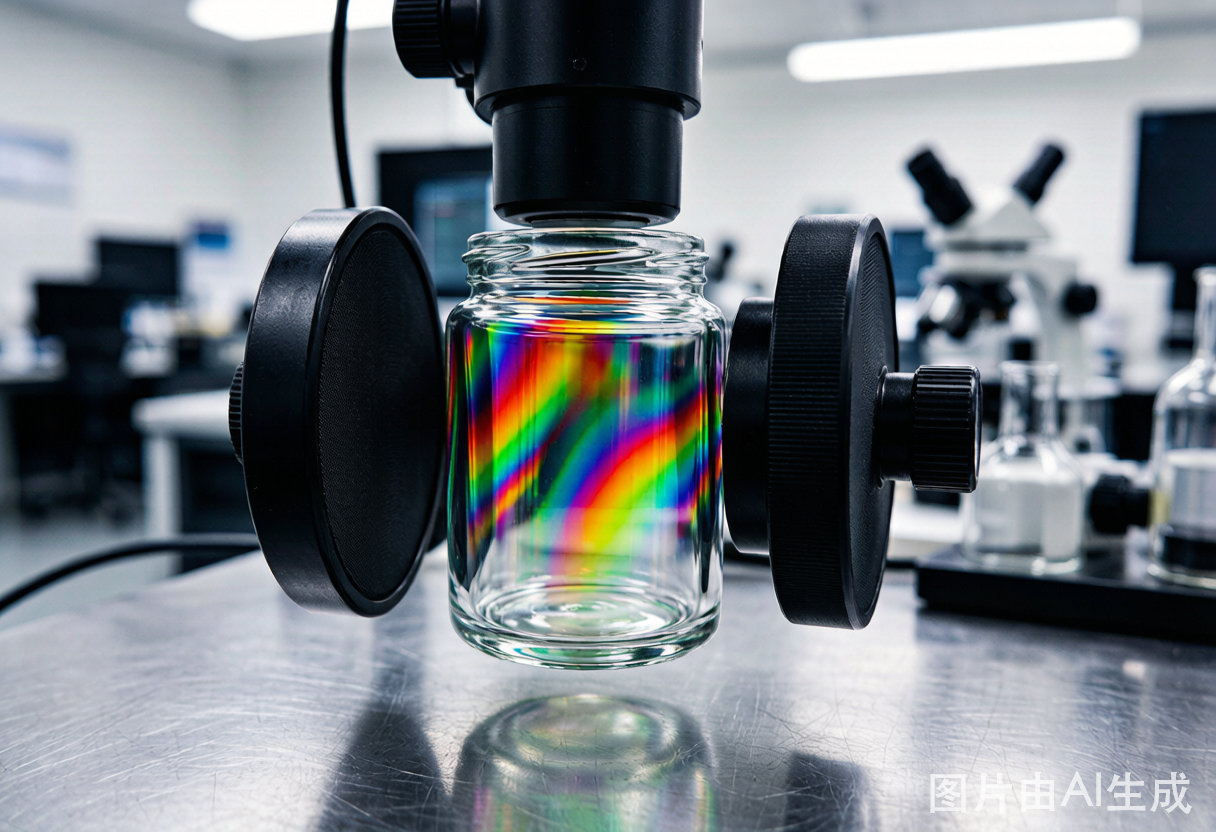
For candle brands: Poorly annealed jars are at higher risk of cracking when exposed to temperature changes (like burning a candle). This is a hidden quality issue you can’t spot by looking, but you can verify through proper documentation.
2. Thermal Shock Resistance
Candles generate significant heat during burning. The glass jar must withstand:
- The temperature shock of hot wax being poured during manufacturing
- Temperature fluctuations during the candle’s burning cycle
- Potential heat exposure during storage and transport
ASTM F2179 requires glass containers to pass specific thermal shock tests, ensuring stable performance under normal use conditions.
For candle brands: This requirement directly impacts product safety. A jar that fails thermal shock testing could crack or shatter during use, creating serious product liability risk for your brand.
3. Scratch Test
The scratch test further verifies surface quality and internal stress distribution. It helps detect microscopic defects that might otherwise go unnoticed, ensuring the container surface meets commercially acceptable standards.
Who Is Responsible for Compliance?
ASTM F2179 clearly states:
“It is the responsibility of the glass manufacturer or secondary processor to determine compliance and maintain documentation of test results during manufacturing.”
What this means for buyers: When you purchase ASTM F2179-compliant candle jars from a supplier, that supplier is obligated to provide test reports or compliance documentation upon request.
What you should ask for:
- Test reports for annealing quality (polariscopic examination)
- Thermal shock test results
- Scratch test documentation
Why This Matters for Your Brand
| Risk Without ASTM F2179 Compliance | Benefit With ASTM F2179 Compliance |
|---|---|
| Unexplained jar breakage in the field | Consistent thermal stability across production batches |
| Product liability claims and brand damage | Documented quality assurance to protect your brand |
| Inconsistent quality from different batches | Standardized production process with clear documentation |
| Difficulty distinguishing quality suppliers | Objective technical criteria for supplier evaluation |
Version Updates: Check the Standard Edition
ASTM F2179 is periodically revised. The current active version is ASTM F2179-26 (issued February 2026), which supersedes the 2020 edition (F2179-20).
When evaluating suppliers:
- Ask which version they comply with
- Suppliers using the latest version demonstrate ongoing attention to quality systems
- If a supplier references an outdated version, ask why they haven’t updated their specifications
Supplier Checklist: Questions to Ask
When engaging with potential suppliers, here are specific questions you can ask to quickly identify technically capable partners:
| # | Question | Why It Matters |
|---|---|---|
| 1 | “Are your products compliant with ASTM F2179? Which version?” | Confirms whether they’re familiar with this key industry standard |
| 2 | “Can you provide test reports for annealing, thermal shock, and scratch testing?” | Verifies they actually perform the testing, not just claim compliance |
| 3 | “Do you maintain test result documentation throughout the production process?” | Ensures they have a documented quality system, not occasional spot checks |
| 4 | “What polariscopic examination method do you use to verify annealing quality?” | Checks whether they use the correct method referenced in the standard |
Quick Summary
| Aspect | Key Point |
|---|---|
| Material Scope | Soda-lime silicate glass (clear or opaque) |
| Core Tests | Annealing (stress relief) |
| Thermal shock resistance | |
| Scratch test (surface quality) | |
| Responsibility | Manufacturer must provide test documentation |
| Current Version | ASTM F2179-26 (Feb 2026) |
| Exclusions | Does NOT apply to hurricanes, votive holders, or candle accessories |
Final Thoughts
ASTM F2179 isn’t a vague “quality label” — it’s a specific, verifiable technical specification. It covers:
- Glass material type (soda-lime silicate)
- Performance requirements (annealing, thermal shock, scratch test)
- Documentation requirements (manufacturer must maintain records)
For candle brands, choosing ASTM F2179-compliant jars is a critical step in reducing product risk and ensuring user safety. For buyers, using this standard to evaluate suppliers is a fundamental due diligence practice.
View our products ( candle jar,diffuser bottle and perfume bottle).
Related reading: recycled glass packaging
If you are sourcing recycled (PCR) glass candle jars, the same ASTM F2179 thermal-shock and strength requirements still apply. Our guide explains PCR ratios, 2026 EU PPWR rules, cost premiums, and how to verify recycled-content claims before placing an order.
Pingback: How to Start a Private Label Candle Brand: Complete 2026 Guide
Pingback: What Is Recycled Glass (PCR) in Packaging? The Complete 2026 Buyer's Guide - Daystar Glassware
Pingback: Top 10 Candle Jar Manufacturers in China (2026 Guide)